Unlock Savings: Interest & Balance-Transfer Credit Cards: What You Need to Know

Are you looking for clever ways to manage your money, reduce debt, or make a big purchase without immediately incurring interest? Then you’ve come to the right place! Understanding Interest & Balance-Transfer Credit Cards: What You Need to Know can be a game-changer for your personal finances. These cards offer fantastic opportunities to save money, but it’s crucial to know how they work to use them effectively.
What Are Interest-Free Credit Cards?
“Interest-free” credit cards, often referred to as 0% APR (Annual Percentage Rate) cards, provide an introductory period where you don’t pay any interest on new purchases or balance transfers. This period can range from 6 to 21 months, giving you a significant window to pay off your balance without additional costs.



How 0% APR for Purchases Works
If you’re planning a large expense, such as new furniture or a significant home repair, a 0% APR card for purchases can be incredibly useful. You can buy what you need and then pay it off in monthly installments over the introductory period, completely interest-free. Just imagine the savings!

The Catch with 0% APR
While the idea of no interest is appealing, it’s vital to remember that the 0% APR period is temporary. Once it expires, your interest rate will jump to the standard variable APR, which can be quite high. Make sure you have a plan to pay off your balance before this happens.
Demystifying Balance Transfer Credit Cards
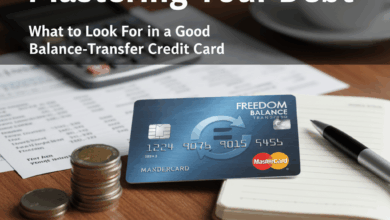
Balance transfer credit cards are designed specifically to help you consolidate and pay off existing credit card debt. If you’re struggling with high-interest debt on one or more cards, a balance transfer allows you to move that debt to a new card, often with a 0% introductory APR for a set period.
Benefits of a Balance Transfer
- Save on Interest: The primary benefit is avoiding high interest charges on your existing debt, allowing more of your payment to go towards the principal.
- Consolidate Debt: You can combine multiple credit card balances into a single payment, simplifying your financial management.
- Breathing Room: The interest-free period gives you a chance to catch up and reduce your overall debt burden without the constant pressure of compounding interest.
Understanding Balance Transfer Fees
Most balance transfer credit cards charge a one-time fee for the transfer, typically ranging from 3% to 5% of the amount transferred. For example, a 3% fee on a $5,000 transfer would be $150. While this is an upfront cost, it’s often much less than the interest you’d pay on high-APR cards over several months. Always factor this fee into your decision.

Who Can Benefit from Interest & Balance-Transfer Credit Cards?
These cards are ideal for a few specific financial situations:
- Individuals with High-Interest Debt: If you’re paying a lot in interest each month, a balance transfer can offer significant relief.
- Those Planning Large Purchases: If you know you’ll need to make a big purchase and can realistically pay it off within a 0% APR introductory period.
- People Seeking Financial Simplification: Consolidating multiple debts into one can make budgeting and payments much easier to manage.
Tips for Smart Use
To make the most of Interest & Balance-Transfer Credit Cards: What You Need to Know, keep these tips in mind:
1. Pay Off Your Balance Before the Intro Period Ends: This is the golden rule! Create a repayment plan and stick to it.
2. Avoid New Purchases on a Balance Transfer Card: Don’t add to your debt. Focus solely on paying down the transferred balance.
3. Read the Fine Print: Always understand the terms and conditions, including fees, the standard APR after the intro period, and any potential deferred interest clauses.
4. Check Your Credit Score: A good credit score will give you access to the best interest-free and balance transfer offers.
Conclusion
Interest & Balance-Transfer Credit Cards: What You Need to Know is all about smart money management. When used wisely, these cards can be powerful tools to save you money on interest, consolidate debt, and help you achieve your financial goals. Just remember to be disciplined, understand the terms, and always aim to pay off your balances before those enticing introductory periods expire. Happy saving!